


What to Do in a Plumbing Emergency
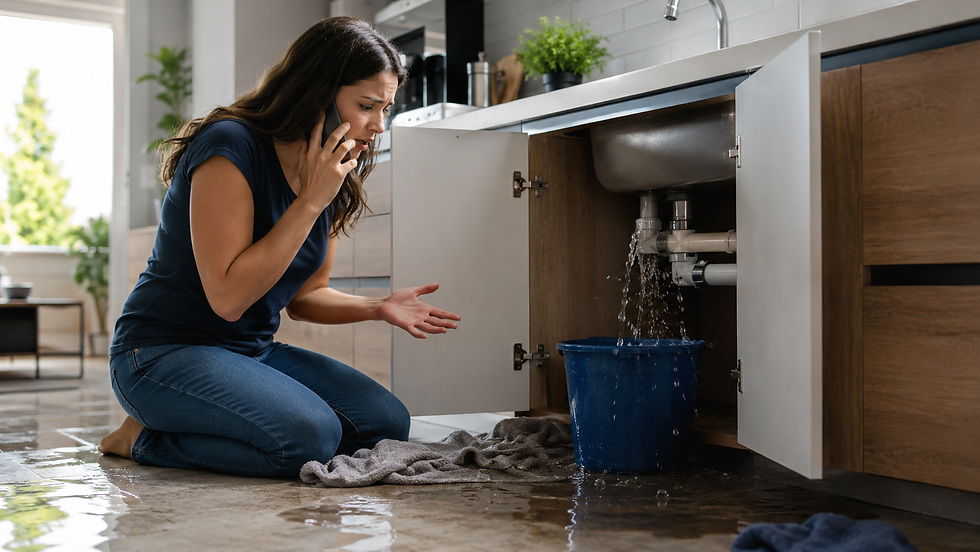
Plumbing emergencies can happen quickly, and when they do, knowing what to do in the first few minutes can make a big difference.
Whether it is a burst pipe, blocked drain, overflowing toilet, leaking hot water system or suspected gas leak, the priority is to stay safe, limit damage where possible and contact the right professional as soon as you can.
If you are dealing with an urgent plumbing issue in Seaford, Morphett Vale, Noarlunga, Aldinga, Reynella, Woodcroft, Happy Valley or surrounding southern Adelaide suburbs, here are the steps to take.
1. Stay calm and identify the problem
The first step is to work out what type of emergency you are dealing with.
Common plumbing emergencies include:
• Burst pipes
• Major water leaks
• Overflowing toilets
• Blocked drains or sewer backups
• No hot water
• Leaking hot water systems
• Gas smells or suspected gas leaks
• Water coming through ceilings, walls or floors
Try to identify where the problem is coming from, but do not put yourself at risk. If there is water near electrical fittings, a strong gas smell, sewage overflow or any risk to your safety, move away from the area and seek urgent help.
2. Turn off the water supply
If water is leaking or flooding into your home, turn off the main water supply as soon as possible.
Most homes have a main water isolation tap near the water meter, usually at the front of the property. Turning this off can help stop more water from entering the home and reduce damage while you wait for a plumber.
If the issue is isolated to one fixture, such as a toilet, sink or washing machine, there may also be a local isolation valve you can turn off.
3. Switch off appliances if it is safe to do so
If a hot water system, washing machine, dishwasher or other appliance is leaking, switch it off only if it is safe.
Do not touch electrical switches, power points or appliances if there is water nearby. Water and electricity are a serious safety risk, so it is better to step away and contact a licensed professional.
4. Avoid using blocked drains or toilets
If you have a blocked drain, overflowing toilet or sewer smell, stop using nearby fixtures until the issue has been checked.
Avoid flushing toilets, running taps, using the washing machine or emptying sinks if you suspect a blockage. Continuing to use the plumbing system can cause wastewater to back up further into the home or yard.
Blocked drains can be caused by tree roots, grease, collapsed pipes, foreign objects or build-up in the pipework. A licensed plumber can assess the issue and recommend the right solution.
5. If you smell gas, treat it seriously
A suspected gas leak should always be treated as urgent.
If you smell gas:
• Turn off the gas supply if it is safe to do so
• Open doors and windows if safe
• Do not use flames, lighters or matches
• Do not turn electrical switches on or off
• Do not use appliances
• Leave the area if the smell is strong
• Call emergency services if there is immediate danger
Gas work should only be carried out by a licensed gas fitter. Do not try to locate, repair or test a suspected gas leak yourself.
6. Move valuables away from the affected area
If there is water entering the home, move furniture, rugs, electronics and valuables away from the affected area where possible.
You can also place towels or buckets to help contain small leaks, but this should only be done if it is safe.
If water is coming through the ceiling, keep clear of the area. Ceilings can sag or collapse when water builds up above them.
7. Take photos for your records
If it is safe, take photos or videos of the issue before and after temporary steps are taken.
This may be helpful for:
• Explaining the problem to your plumber
• Insurance records
• Tracking where the leak or damage started
• Showing the extent of the issue
Do not delay urgent action just to take photos, but if you can safely document the issue, it may help later.
8. Call a licensed plumber
Once the immediate risk has been reduced, contact a licensed plumber.
When calling, explain:
• What has happened
• Where the issue is located
• Whether the water has been turned off
• Whether there is flooding, sewage or gas involved
• Whether any electrical areas are affected
• Your location and contact details
The more information you can provide, the easier it is for your plumber to understand the urgency and arrive prepared.
When should you call an emergency plumber?
You should contact a plumber urgently if you have:
• A burst pipe
• Flooding inside or outside the home
• A blocked toilet that cannot be used
• Sewage backing up into drains, toilets or showers
• A leaking or failed hot water system
• A suspected gas leak
• Water coming through walls, ceilings or floors
• A plumbing issue that could damage your home if left untreated
Even if you are unsure whether the issue is an emergency, it is better to ask for advice early rather than wait until the damage becomes worse.
Plumbing emergencies in southern Adelaide
Onboard Plumbing and Gas supports homeowners and businesses across Adelaide’s southern suburbs with plumbing and gas services, including urgent plumbing issues, blocked drains, hot water problems, leaking pipes and general plumbing repairs.
If you are dealing with a plumbing emergency, do not ignore it. Taking the right steps early can help reduce damage, protect your property and get the issue resolved sooner.
Need help with a plumbing emergency?
For urgent plumbing support across Seaford, Morphett Vale, Noarlunga, Aldinga, Reynella, Woodcroft, Happy Valley and surrounding southern Adelaide areas, contact Onboard Plumbing and Gas.
Call Luke on 0403 513 795 or sumbit an enquiry form.


Comments